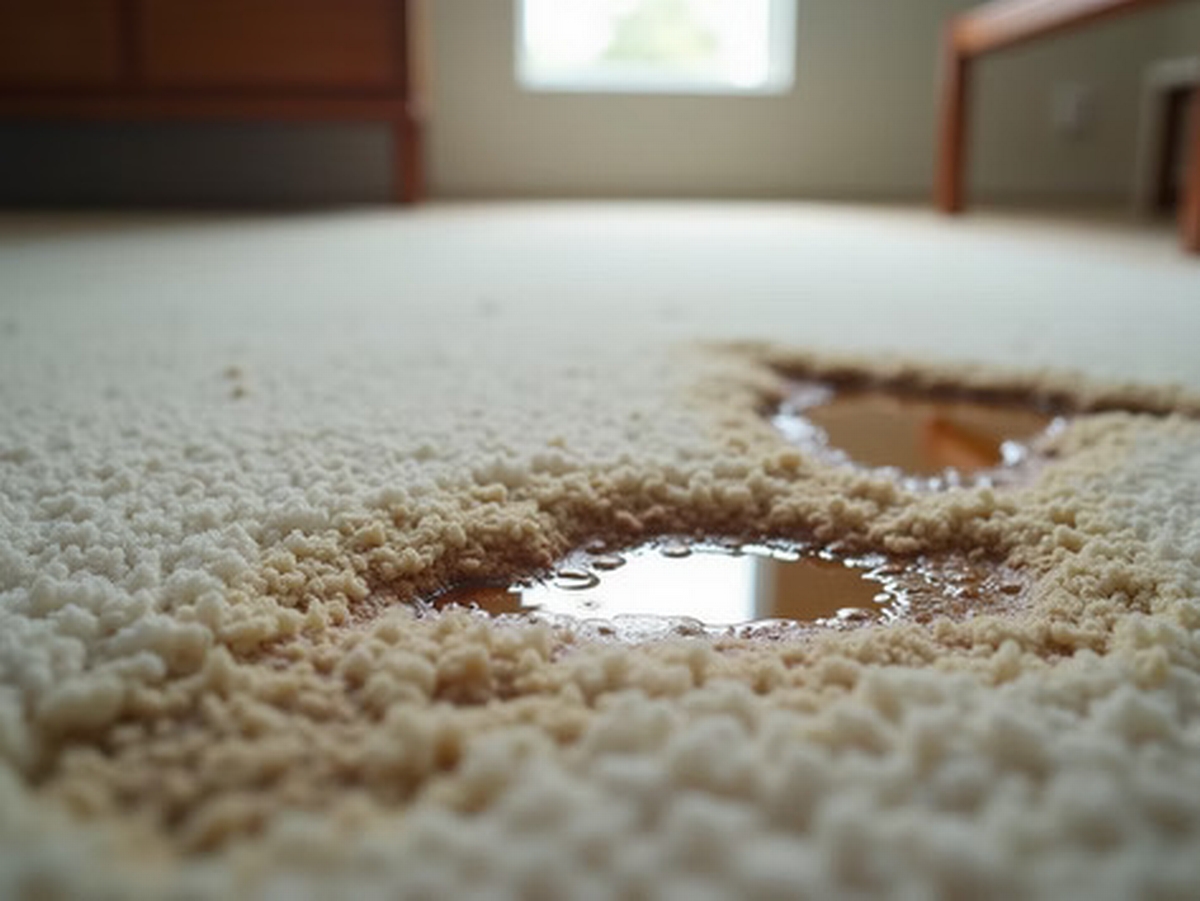
The Institute of Inspection, Cleaning and Restoration Certification (IICRC) developed the S500 standard to guide professionals in water damage restoration. A key part of this standard is the classification of water based on contamination levels. Understanding these categories helps restoration professionals select the correct safety measures and cleaning methods.
What Is the IICRC S500 Standard?
The IICRC S500 is a widely accepted guideline for water damage restoration. It establishes procedures and best practices for assessing, cleaning, and drying water-damaged structures. One of its core components is water categorization, which helps professionals identify potential health risks and contamination.
Water damage can come from many sources, but not all water presents the same risk. The S500 standard divides water into three categories:
- Category 1: Clean water
- Category 2: Gray water
- Category 3: Black water
Each category requires different handling procedures to protect people and property.
Category 1 Water: Clean Water
Category 1 water is the least contaminated type. It originates from a clean source and generally does not pose a significant health risk when handled promptly.
Sources of Category 1 Water
- Broken water supply lines
- Tub or sink overflows without contaminants
- Melting ice or snow
- Uncontaminated rainwater
Characteristics
- Clear and free of significant harmful contaminants
- Originates from a sanitary water source
- Can become contaminated if left untreated
Restoration Approach
The main goal when handling Category 1 water is to dry the affected area promptly and prevent mold growth or secondary contamination. Restoration professionals typically use water-extraction equipment, dehumidifiers, and air movers.
Category 1 water may deteriorate into Category 2 or Category 3 water over time because of bacterial growth and contact with contaminated materials.
Category 2 Water: Gray Water
Category 2 water contains contaminants that may cause illness or discomfort if swallowed or contacted. It is commonly called gray water because it is neither sanitary nor grossly contaminated.
Sources of Category 2 Water
- Washing-machine or dishwasher overflows
- Toilet overflows containing urine but no feces
- Sump-pump failures
- Water from broken aquariums
Characteristics
- Contains microorganisms or nutrients that support bacterial growth
- May contain chemical or biological contaminants
- May cause illness following prolonged exposure or ingestion
Restoration Approach
Category 2 restoration requires additional precautions. Professionals may wear gloves, masks, and other protective equipment. Affected materials may require antimicrobial cleaning or removal when porous materials are heavily contaminated.
Thorough drying is necessary to prevent mold and bacterial growth. Restoration professionals also monitor humidity and temperature throughout the process.
Category 3 Water: Black Water
Category 3 water is the most hazardous classification. It is grossly contaminated and may cause severe illness if swallowed or contacted without suitable protection.
Sources of Category 3 Water
- Sewage backups
- Floodwater from rivers or streams
- Toilet overflows containing feces
- Standing water that has remained stagnant for an extended period
Characteristics
- May contain pathogens, toxins, and hazardous chemicals
- Can cause infections and other serious health problems
- Requires specialized handling and disposal
Restoration Approach
Category 3 restoration requires strict safety procedures. Professionals use appropriate protective equipment and follow applicable disposal requirements. Porous materials such as drywall, carpet, and insulation often need to be removed and discarded.
Cleaning, disinfection, sanitization, and complete drying are critical to reducing ongoing health risks.
Why Understanding Water Categories Matters
Correctly identifying the water category helps determine the appropriate response. Using the wrong methods may spread contamination, increase damage, or place occupants and workers at risk.
- Safety: Proper protective equipment and procedures help reduce exposure to contaminants.
- Effectiveness: Correct cleaning and drying methods help prevent mold growth and structural damage.
- Cost: Early classification may reduce repair costs by limiting additional damage.
- Compliance: Following current industry standards helps ensure restoration work follows accepted practices.
Treating Category 3 water as Category 1 could expose workers and occupants to dangerous contaminants. Treating Category 1 water as Category 3 could result in unnecessary material removal and expense.
Practical Tips for Homeowners and Property Managers
Water damage restoration is generally best handled by trained professionals, but understanding water categories can help homeowners and property managers respond appropriately.
- Act quickly: Water damage can worsen over time. Contact a qualified restoration company as soon as possible.
- Avoid contact: Do not touch or walk through standing water until the contamination risk is understood.
- Turn off electricity: Shut off power only when it is safe to do so.
- Protect belongings: Move furniture and valuables away from the affected area when safe.
- Document the damage: Take photographs for insurance purposes before cleanup begins.